
Why a Short Stone Fruit Season Makes a Fruit Gift a Smart Gift
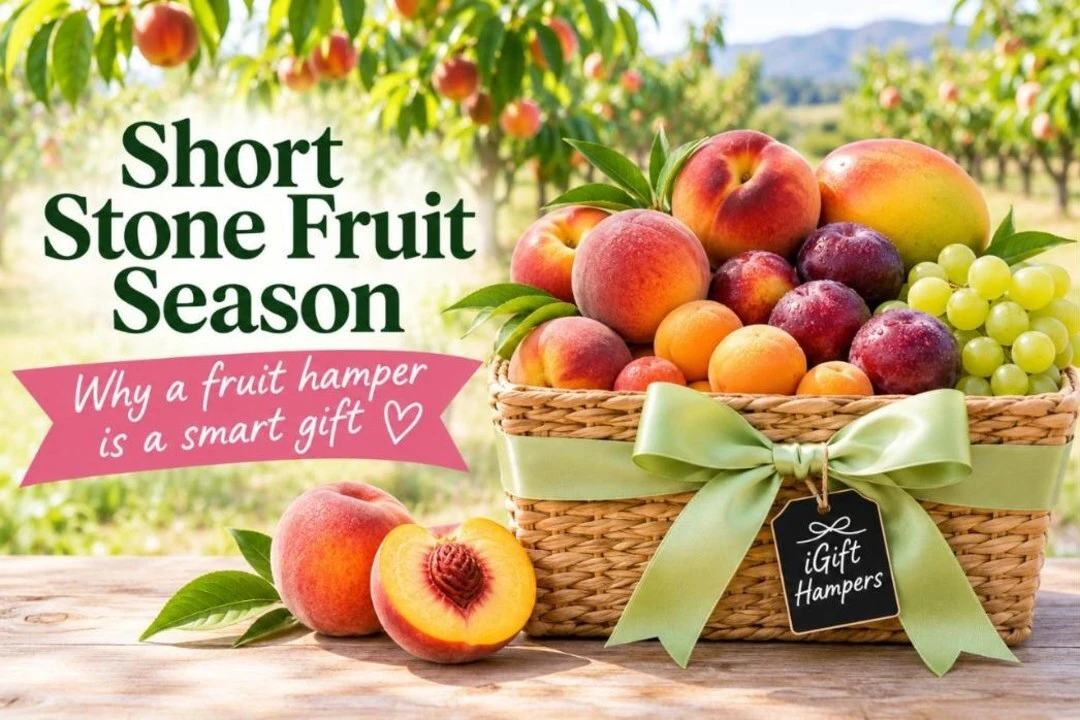
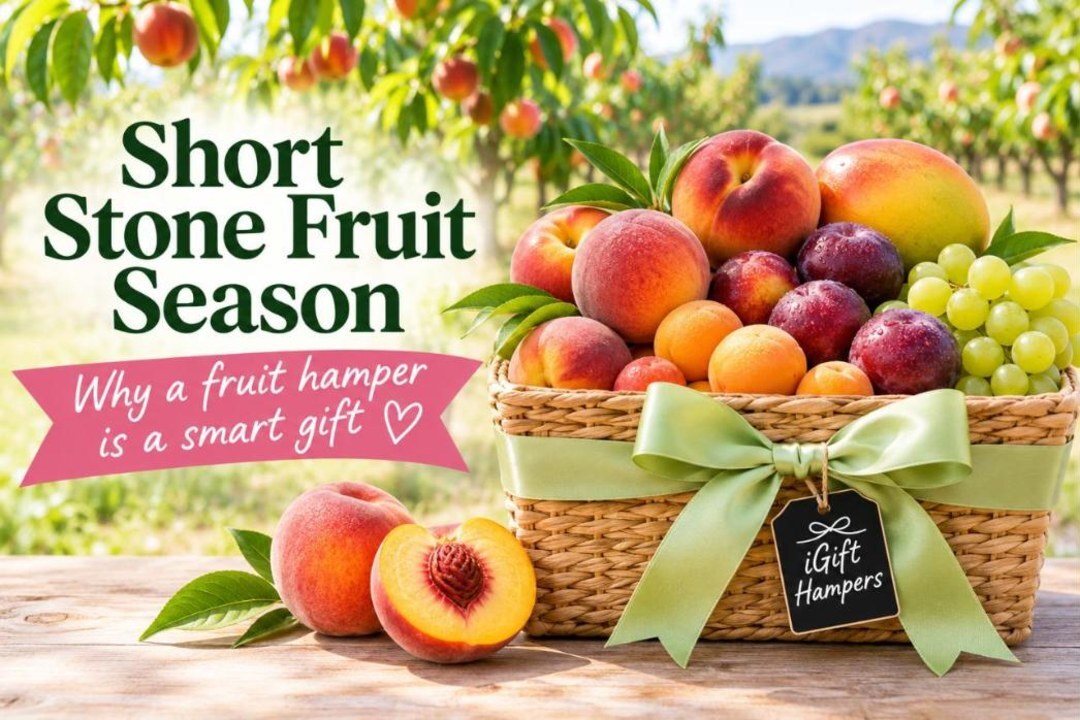
Quick answer: Australia's 2026 stone fruit season may be shorter than usual because of a warm winter. Peach and nectarine trees need a set amount of cold over winter (called "chill") to flower and fruit well. One large Victorian orchard got about half its usual chill, and expects some January varieties to yield 40 to 50% less fruit. Early fruit is big and sweet, so now is the time to enjoy it. If you want a fruit gift that arrives full no matter what's short, a mixed seasonal fruit hamper is the smart choice.
What is winter chill, in simple terms?
Peaches, nectarines, plums and apricots are deciduous trees. They rest over winter, and they need a certain number of cold hours before they "wake up" properly in spring. Growers call these chill hours.
Think of it like a good night's sleep. With enough cold, the trees flower evenly and set a full crop. With too little, flowering is patchy and fewer flowers turn into fruit.
What happened this year?
The winter of 2026 was too warm in parts of Victoria's stone fruit country. Riverbend Orchard at Wood Wood, which grows peaches and nectarines across 460 acres, usually gets 700 to 900 chill hours. This year it recorded about 440.
Here's how that is playing out, according to the orchard:
- Very early varieties need less chill and have set reasonably well.
- Late November and early December varieties are patchy, with some carrying 70 to 75% of a normal crop and others only 50 to 60%.
- Some January varieties may produce 40 to 50% less fruit than normal.
That's one orchard, and other regions and growers will vary. But it gives a clear picture: the further into summer we go, the more the warm winter is likely to show.
Is the stone fruit any good this year?
Yes, and that's the good news. The same grower reports that the early fruit is firm, looks great and eats much better than last season. The early peaches and nectarines are running one, and sometimes two, sizes larger than normal. Demand is strong too.
Picking at Riverbend started around 22 October, which is normal timing, and more stone fruit from the Goulburn Valley and northern Victoria is arriving through November.
What does a short season mean for you?
- Enjoy stone fruit early. November and December look like the sweet spot. Don't wait until January to have your fill.
- Expect gaps later. Some favourite varieties may be harder to find, or dearer, after Christmas.
- Be flexible. If peaches are thin on the ground, mangoes, berries and cherries are all in season and plentiful.
Why a fruit hamper is a smart gift in a short season
When one fruit is in short supply, a gift built around a single fruit can be hard to fill, or end up smaller than you'd hoped. A mixed seasonal fruit hamper doesn't have that problem.
- It's packed with what's best that week. Our fruit baskets are filled with the best seasonal fruit available when your order is packed. If stone fruit is short, other summer fruit takes its place, so the hamper still arrives generous.
- It's healthy. In a month of chocolate, pudding and rich food, fresh fruit is a welcome change.
- It suits everyone. There's no alcohol in our fruit-only baskets, so they suit families, offices and people who don't drink.
- It's easy to share. A basket on a reception desk or the family table gets picked at all day.
Good choices this Christmas:
- Christmas Fruit Basket: seasonal fresh fruit with a festive decoration, in small or large.
- Seasonal Fruit Hamper Gift Box: a full box of fresh fruit, nothing extra.
- Classic Fruit Hamper: a generous all-occasion fruit gift.
- Festive Mango and Stone Fruit Christmas Box: if you'd like mangoes and stone fruit together while the early fruit is at its best.
Sending to clients or staff? A fruit hamper is a healthy, easy thank you that suits every workplace. See our corporate hampers.
How to get the best from stone fruit
- Ripen on the bench. Leave firm peaches and nectarines at room temperature until they smell sweet and give slightly when pressed.
- Then refrigerate. Once ripe, keep them in the fridge for a few days.
- Serve at room temperature. Take them out about 30 minutes before eating for the best flavour.
- Try them grilled. Halved and grilled peaches with a little honey make an easy Christmas dessert.
Frequently asked questions
Why is the 2026 stone fruit season short?
A warm winter meant many trees didn't get enough cold hours to flower and set fruit fully. One Victorian orchard recorded about 440 chill hours against a normal 700 to 900, and expects some later varieties to carry much smaller crops.
When is stone fruit season in Australia?
Usually from late October or November through to March. In 2026, Victorian picking started around 22 October, and the best supply is likely to be in November and December.
Will there be peaches for Christmas 2026?
Yes. Early and mid-season fruit is available now and eating well. The bigger shortfalls are expected in some January varieties.
What fruit can I send instead of stone fruit?
Mangoes are plentiful this summer, and a mango box is a classic Australian Christmas gift. A mixed seasonal fruit basket is also a safe choice because it's packed with whatever is best that week.
Where do you deliver fruit hampers?
Our fresh fruit gifts go to NSW, the ACT, Victoria and Queensland, dispatched Monday to Thursday. Check the cut-offs in our Christmas delivery dates 2026 guide.
Want to know what else is in season? Read what fruit is in season for Christmas 2026.
Sources
- FreshPlaza, "As we move into December and January, the impact of the lack of winter chill will become much more evident", 6 November 2026
- FreshPlaza, Spring vegetable supplies rise in Australia as stone fruit season begins, 6 November 2026
Latest News
What Fruit Is in Season for Christmas 2026 in Australia?
Quick answer: For Christmas 2026 in Australia, the fruit in season is mangoes, cherries, strawberri...
Why a Short Stone Fruit Season Makes a Fruit Gift a Smart Gift
Quick answer: Australia's 2026 stone fruit season may be shorter than usual because of a warm winte...

Mango Season Is Here: How to Pick a Ripe Mango
Quick answer: Mango season is here. The 2026 harvest started late but is now underway in Queensland...

Celebrate British Pudding Day with a Traditional Christmas Pudding
Today, 9 November, is British Pudding Day, and with Christmas just over six weeks away, we can't thi...

Hospital Delivery Brisbane & QLD: Get Well Gifts
We deliver get well gifts to hospitals across Queensland, from major Brisbane hospitals like the Roy...

Are Flowers Allowed in Hospitals? What to Send Instead
Many Australian hospitals still accept flowers, but a lot of wards don't, especially intensive care...